Abbott
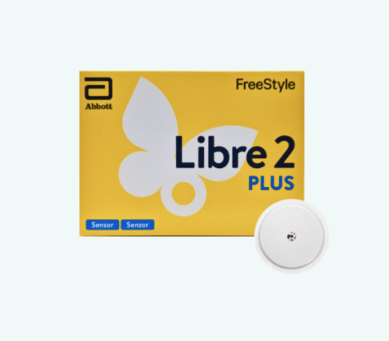
FreeStyle Libre 2 Plus Sensor
FreeStyle Libre 2 Plus Sensor
Couldn't load pickup availability
What Is the FreeStyle Libre 2 Sensor and How Can It Help You?
Managing diabetes day to day involves a lot of decisions — and having accurate, real-time glucose data makes those decisions considerably easier. The FreeStyle Libre 2 sensor is a continuous glucose monitoring (CGM) device made by Abbott that measures glucose levels in interstitial fluid through a small, flexible filament worn on the back of the upper arm. Rather than relying on repeated finger-prick tests, you simply scan the sensor with a compatible reader or smartphone to get an instant glucose reading, a trend arrow showing which direction your levels are heading, and up to 8 hours of historical data. For anyone living with type 1 or type 2 diabetes, that kind of visibility can genuinely change how you manage your condition. You can explore our full range of diabetes monitoring products at Cured Pharmacy.
The FreeStyle Libre 2 Plus Sensor is the latest iteration from Abbott, extending wear time to 15 days per sensor — one day longer than the previous FreeStyle Libre 2. It also supports real-time Bluetooth alerts for high and low glucose levels, meaning you do not have to wait until you scan to be notified of a potential problem. At £50.90 per sensor, it represents a practical option for those purchasing privately or supplementing NHS-prescribed supplies.
How Does the FreeStyle Libre 2 Plus Sensor Work?
The technology behind this sensor is called flash glucose monitoring (FGM). Here is how it works step by step:
- A tiny, flexible filament — roughly 0.4 mm in diameter — sits just beneath the surface of the skin after application.
- The filament continuously measures glucose in the interstitial fluid (the fluid surrounding your cells), which correlates closely with blood glucose levels.
- Readings are taken automatically every minute and stored on the sensor.
- When you scan the sensor with a compatible FreeStyle LibreLink app or reader, it transmits the current reading plus a trend arrow and 8-hour glucose history.
- Optional real-time alarms alert you when glucose rises above or falls below your personalised thresholds — even without scanning.
It is worth noting that interstitial glucose readings can lag behind blood glucose by approximately 5–10 minutes, particularly during rapid changes. During periods of fast glucose fluctuation — such as immediately after eating or during intense exercise — a confirmatory finger-prick test may still be advisable before making treatment decisions.
Who Should Use the FreeStyle Libre 2 Plus Sensor?
This sensor is designed for people with diabetes who need to monitor their glucose levels regularly. It is suitable for:
- Adults and children aged 4 years and over with type 1 diabetes
- Adults with type 2 diabetes who use insulin or are at risk of hypoglycaemia
- People who find frequent finger-prick testing uncomfortable or impractical
- Those who want trend data to better understand how food, exercise, and medication affect their glucose levels
It is not suitable for use during pregnancy without specific medical guidance, and it should not be used by people who are critically ill or in hospital settings where more precise blood glucose monitoring is required. Always discuss suitability with your diabetes care team before switching monitoring methods.
How Does the FreeStyle Libre 2 Plus Compare to Other CGM Options?
| Feature | FreeStyle Libre 2 Plus | Dexcom G7 |
|---|---|---|
| Wear duration | 15 days | 10 days |
| Real-time alarms | Yes (Bluetooth) | Yes (Bluetooth) |
| Warm-up period | 60 minutes | 30 minutes |
| Water resistance | IP27 (up to 1 m for 30 min) | IP27 (up to 2.4 m for 24 hrs) |
| Approximate private cost | £50.90 per sensor | Higher per sensor |
How Should You Store the FreeStyle Libre 2 Plus Sensor?
Proper storage is important to ensure the sensor performs accurately. Keep the FreeStyle Libre 2 sensor in its original packaging and store it below 30°C, away from direct sunlight and sources of heat. Do not freeze the sensor — freezing will damage the electrochemical components and render it unusable. Once applied to the skin, the sensor can tolerate temperatures between 10°C and 45°C. If you are travelling, avoid leaving sensors in a hot car or in checked luggage that may be exposed to extreme temperatures. You can also browse our electrical health and diagnostic range for complementary monitoring devices.
Check the expiry date printed on the packaging before use. An expired sensor may not provide accurate readings and should be disposed of safely in accordance with your local clinical waste guidelines.
This product is a medicine. Speak to your doctor or pharmacist before using if you have an underlying medical condition or are taking other medicines.
FreeStyle Libre 2 Plus Sensor specifications
| Treatment category | Diabetes monitoring / Continuous glucose monitoring |
| Mechanism of action | Electrochemical measurement of interstitial fluid glucose via subcutaneous filament |
| Effective | Up to 15 days continuous wear per sensor |
| Suitable for | Adults and children aged 4 years and over with diabetes |
| Active ingredient | Electrochemical glucose biosensor (no pharmacological active ingredient) |
| Pack sizes | 1 sensor per pack |
| UK classification | Medical device (CE/UKCA marked) |
| Preparation | Single-use wearable sensor with integrated applicator |
| Route of administration | Subcutaneous (applied to back of upper arm) |
Specifications of FreeStyle Libre 2 Plus Sensor
What Is the FreeStyle Libre 2 Plus Sensor and What Is It Used For?
The FreeStyle Libre 2 Plus Sensor is a wearable medical device used to continuously monitor glucose levels in people with diabetes. It is manufactured by Abbott and is classified as a flash glucose monitoring (FGM) system. Rather than requiring multiple daily finger-prick blood tests, the sensor measures glucose in the interstitial fluid beneath the skin and transmits readings to a compatible reader or smartphone app. It is used to help people with type 1 and type 2 diabetes track glucose trends, identify patterns, and make more informed decisions about food, activity, and medication. The NHS provides this sensor on prescription to eligible patients, and it can also be purchased privately from registered pharmacies.
What Do You Need to Know Before Using the FreeStyle Libre 2 Plus Sensor?
Before applying this sensor, there are several important contraindications and warnings to be aware of:
- Do not use during MRI, CT scanning, X-ray, or diathermy procedures — remove the sensor beforehand.
- Not recommended for use in critically ill patients or those in intensive care settings.
- Use with caution during pregnancy — consult your diabetes care team before use.
- Not validated for use in children under 4 years of age.
- Do not apply to areas with scarring, tattoos, or active skin conditions.
- If you experience symptoms that do not match your sensor reading, perform a finger-prick blood glucose test to confirm.
- People with known adhesive allergies should seek medical advice before use.
Regarding drug interactions, the following should be noted:
- High-dose paracetamol (acetaminophen) — doses above 1 g — may falsely elevate glucose readings from the sensor.
- Ascorbic acid (vitamin C) supplements at high doses may also interfere with sensor accuracy in some CGM systems; check the Abbott guidance for the latest information.
- No interactions with standard diabetes medications (insulin, metformin, GLP-1 agonists) have been reported in terms of sensor function.
How Should You Use the FreeStyle Libre 2 Plus Sensor?
Applying and using the sensor correctly is essential for accurate readings. Follow these steps carefully:
- Wash and dry the back of your upper arm thoroughly before application.
- Open the sensor pack and remove the applicator — do not touch the needle end.
- Press the applicator firmly and steadily against the skin until you hear a click.
- Remove the applicator — the sensor will remain attached to the skin.
- Wait 60 minutes for the sensor to warm up before taking your first reading.
- Scan the sensor with your FreeStyle LibreLink app or compatible reader to activate and begin receiving readings.
- Scan at least every 8 hours to capture a complete glucose history — the sensor stores up to 8 hours of data.
- Replace the sensor after 15 days.
| Indication | Age Group | Sensor Wear | Scanning Frequency |
|---|---|---|---|
| Type 1 diabetes | Adults and children ≥4 years | Up to 15 days per sensor | At least every 8 hours |
| Type 2 diabetes (insulin-treated) | Adults | Up to 15 days per sensor | At least every 8 hours |
If you are also managing other aspects of your health alongside diabetes, our vitamins and supplements range includes products that may support general wellbeing — always check with your pharmacist before adding new supplements if you use a CGM sensor.
What Are the Possible Side Effects of the FreeStyle Libre 2 Plus Sensor?
Like all medical devices applied to the skin, the FreeStyle Libre 2 Plus Sensor can cause localised reactions. Most are mild and resolve on their own after the sensor is removed.
Common side effects:
- Redness at the application site
- Itching or mild irritation beneath the sensor
- Bruising or minor bleeding at insertion point
- Skin indentation after sensor removal
Less common side effects:
- Allergic contact dermatitis (rash, blistering, or swelling)
- Sensor adhesive causing skin breakdown with prolonged use
- Infection at the insertion site (rare — seek medical attention promptly if suspected)
- Discomfort or pain at the sensor site
If you develop a severe skin reaction, signs of infection (warmth, pus, increasing pain), or a systemic allergic response such as difficulty breathing or swelling of the face, remove the sensor immediately and seek urgent medical attention. You can also speak to your pharmacist for advice on managing mild skin irritation — our skin care range includes products that may help soothe minor reactions.
How Should You Store the FreeStyle Libre 2 Plus Sensor?
- Store below 30°C in a cool, dry place away from direct sunlight.
- Do not freeze — freezing permanently damages the sensor.
- Keep in original packaging until ready to use.
- Check the expiry date before each application — do not use an expired sensor.
- Once applied, the sensor tolerates temperatures between 10°C and 45°C.
- Keep out of reach of children.
- Dispose of used sensors in accordance with local clinical waste or sharps disposal guidelines — do not place in household recycling.
References
- https://www.nhs.uk/conditions/type-1-diabetes/living-with-type-1-diabetes/continuous-glucose-monitoring-cgm-and-flash-glucose-monitoring/
- https://www.nhs.uk/conditions/diabetes/
- https://www.nhs.uk/conditions/type-1-diabetes/
- https://www.nhs.uk/conditions/type-2-diabetes/
- https://www.nice.org.uk/guidance/ng17
- https://www.nhs.uk/conditions/low-blood-sugar-hypoglycaemia/
Written and reviewed by our qualified team
Your safety and success are our highest priorities. Our medical team rigorously evaluates every product and piece of advice we provide, ensuring you receive only the most effective, science-backed solutions available.
Frequently Asked Questions
Where can I buy the FreeStyle Libre 2 sensor online in the UK?
You can buy the FreeStyle Libre 2 Plus Sensor online from Cured Pharmacy, a GPhC-registered UK online pharmacy, for £50.90 per sensor. It is also available on NHS prescription for eligible patients with type 1 or type 2 diabetes — speak to your GP or diabetes nurse about eligibility. Browse our full diabetes monitoring range for related products.
How does the FreeStyle Libre 2 Plus Sensor work in the body?
The sensor uses a tiny flexible filament inserted just beneath the skin on the back of the upper arm to measure glucose in interstitial fluid every minute. When you scan the sensor with a compatible reader or the FreeStyle LibreLink app, it displays your current glucose level, a trend arrow, and up to 8 hours of historical data. Real-time Bluetooth alarms also notify you if glucose rises or falls beyond your set thresholds, even without scanning.
How do I apply the FreeStyle Libre 2 Plus Sensor step by step?
Clean and dry the back of your upper arm, then press the single-use applicator firmly against the skin until you hear a click. Remove the applicator — the sensor stays in place — and wait 60 minutes for the warm-up period before scanning for your first reading. The sensor is water-resistant and can be worn during showering or swimming within the specified limits.
How long does the FreeStyle Libre 2 Plus Sensor last?
Each FreeStyle Libre 2 Plus Sensor lasts up to 15 days before it needs replacing, which is one day longer than the standard FreeStyle Libre 2 sensor. After 15 days, the sensor automatically deactivates and you will need to apply a new one. Setting a reminder a day before expiry helps ensure you always have a replacement ready.
What are the side effects of the FreeStyle Libre 2 sensor?
The most common side effects are localised skin reactions at the application site, including redness, itching, bruising, or mild irritation. Less commonly, some users experience allergic contact dermatitis or skin breakdown from the adhesive with prolonged use. If you notice signs of infection — such as increasing pain, warmth, or discharge — remove the sensor and contact your GP or pharmacist promptly.
Who is eligible to use the FreeStyle Libre 2 Plus Sensor?
The sensor is suitable for adults and children aged 4 years and over who have diabetes and require regular glucose monitoring. On the NHS, eligibility for a free prescription is guided by NICE criteria, which generally covers people with type 1 diabetes and some people with type 2 diabetes on insulin. Privately, anyone who meets the age requirement can purchase the sensor without a prescription from a registered pharmacy.
Can I use the FreeStyle Libre 2 sensor during an MRI scan?
No — you must remove the FreeStyle Libre 2 Plus Sensor before undergoing an MRI, CT scan, X-ray, or diathermy treatment, as these procedures can damage the sensor and may pose a safety risk. Always inform your healthcare team that you are wearing a glucose sensor before any medical imaging procedure. You can reapply a new sensor after the procedure is complete.
What is the difference between FreeStyle Libre 2 and FreeStyle Libre 2 Plus?
The FreeStyle Libre 2 Plus Sensor offers a 15-day wear period compared to the 14-day wear of the standard FreeStyle Libre 2 sensor. The Plus version also supports continuous real-time Bluetooth streaming of glucose data to compatible smartphones, whereas the original FreeStyle Libre 2 requires you to actively scan to receive a reading. Both versions include optional high and low glucose alarms.
Does the FreeStyle Libre 2 sensor require finger-prick tests?
In most circumstances, the FreeStyle Libre 2 Plus Sensor eliminates the need for routine finger-prick testing. However, Abbott and clinical guidelines recommend confirming sensor readings with a finger-prick blood glucose test when symptoms do not match the sensor reading, during periods of rapid glucose change, or before making critical treatment decisions such as adjusting insulin doses. Always keep a blood glucose meter available as a backup.
Can high-dose paracetamol affect my FreeStyle Libre 2 readings?
Yes — taking paracetamol at doses above 1 g may cause the FreeStyle Libre 2 sensor to display falsely elevated glucose readings. This is a known limitation of some electrochemical glucose sensors. If you need to take high-dose paracetamol, use a finger-prick blood glucose test to confirm your actual glucose level rather than relying solely on the sensor reading during that period.
Is the FreeStyle Libre 2 sensor waterproof?
The FreeStyle Libre 2 Plus Sensor is water-resistant to IP27 standards, meaning it can withstand immersion in up to 1 metre of water for up to 30 minutes. This makes it suitable for showering, bathing, and light swimming. Avoid prolonged submersion beyond these limits, such as deep-water diving, as this may compromise the sensor's integrity.
How do I manage skin irritation from the FreeStyle Libre 2 sensor?
Mild skin irritation is common and usually resolves within a few days of removing the sensor. Rotating the application site with each new sensor — always using the back of the upper arm — can help reduce cumulative skin irritation. If irritation is persistent or severe, speak to your pharmacist or GP, who may recommend a barrier film or hypoallergenic adhesive overlay. Our skin care range includes products that may help soothe mild reactions.
How long can you keep using the FreeStyle Libre 2 sensor?
There is no defined maximum duration for using the FreeStyle Libre 2 Plus Sensor system — it is intended for ongoing, long-term glucose monitoring as part of diabetes management. Each individual sensor lasts 15 days, after which you apply a new one. Your diabetes care team will review your monitoring needs periodically and advise on whether CGM remains the most appropriate method for you.
What are the alternatives to the FreeStyle Libre 2 sensor?
Alternatives include other continuous glucose monitoring systems such as the Dexcom G7, which offers a 10-day wear period and a shorter 30-minute warm-up time, and traditional blood glucose meters that require finger-prick testing. The right choice depends on your lifestyle, clinical needs, and budget — your diabetes nurse or GP can help you decide. You can also explore our broader electrical health and diagnostic range for other monitoring options.
What does the latest research say about flash glucose monitoring?
Clinical evidence supports the use of flash glucose monitoring systems like the FreeStyle Libre in improving HbA1c levels and reducing hypoglycaemic episodes in people with type 1 and type 2 diabetes. NICE guidance recommends CGM and flash glucose monitoring for eligible patients as part of a structured diabetes management plan. Ongoing research continues to evaluate the long-term benefits of real-time glucose data on diabetes outcomes and quality of life.
Share