Cured Pharmacy
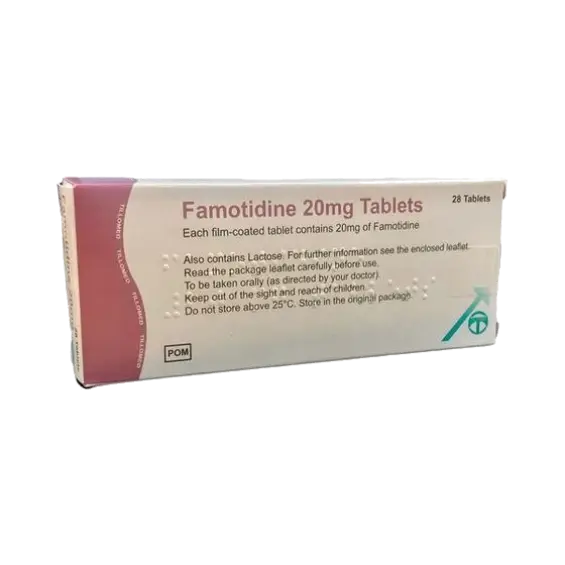
Famotidine Tablets (20mg / 40mg)
Famotidine Tablets (20mg / 40mg)
Couldn't load pickup availability
What Are Famotidine Tablets and How Do They Help?
If you've ever dealt with that burning sensation creeping up your chest after a meal, you'll know how disruptive heartburn can be. Famotidine tablets are a clinically established H2 receptor antagonist used to reduce excess stomach acid — offering relief from heartburn, acid reflux, indigestion, and gastro-oesophageal reflux disease (GORD). Available in both 20mg and 40mg strengths, they're suitable for adults who need targeted, reliable acid control. You can explore our full range of indigestion treatments if you're looking for additional digestive health support.
Famotidine has been used clinically for decades and is well-recognised by the NHS as an effective option for managing conditions related to excess stomach acid. It works differently from antacids — rather than neutralising acid that's already there, it reduces how much acid your stomach produces in the first place.
How Do Famotidine Tablets Work in the Body?
Understanding the mechanism helps you use the medicine more effectively. Your stomach lining contains specialised cells called parietal cells, which produce hydrochloric acid. These cells have histamine H2 receptors on their surface. When histamine binds to these receptors, it triggers acid secretion.
- Famotidine competitively blocks histamine H2 receptors on gastric parietal cells.
- This reduces both basal (resting) and stimulated acid secretion.
- Lower acid levels allow the oesophagus and stomach lining to recover from irritation.
- The effect begins within approximately one hour of taking a dose.
This targeted action makes famotidine particularly useful for people who experience predictable acid symptoms — for example, after eating certain foods or at night.
Who Is Famotidine Suitable For?
Famotidine tablets are appropriate for a range of adults experiencing acid-related digestive conditions. They're not suitable for everyone, so it's worth checking whether this medicine fits your situation before ordering.
- Adults with frequent heartburn or acid reflux symptoms
- People diagnosed with GORD (gastro-oesophageal reflux disease)
- Individuals with peptic ulcers (under medical supervision)
- Those seeking an alternative to proton pump inhibitors (PPIs) for short-term acid control
It is not recommended for children under 16 without specific medical advice, and it should be used with caution in people with kidney impairment. If you're also managing other digestive concerns, our IBS and cramps collection may offer complementary support.
How Do Famotidine Tablets Compare to Other Acid Medicines?
| Feature | Famotidine Tablets | Omeprazole (PPI) |
|---|---|---|
| Drug class | H2 receptor antagonist | Proton pump inhibitor |
| Onset of action | Within ~1 hour | 1–4 hours (full effect in days) |
| Duration of effect | Up to 12 hours | Up to 24 hours |
| Best suited for | On-demand or short-term relief | Chronic acid suppression |
How Should You Store Famotidine Tablets?
Proper storage keeps your medicine safe and effective. Store famotidine tablets below 25°C in a dry place, away from direct sunlight and moisture. Keep them in their original packaging and out of reach of children at all times. Do not use after the expiry date printed on the pack.
This product is a medicine. Speak to your doctor or pharmacist before using if you have an underlying medical condition or are taking other medicines.
Famotidine Tablets (20mg / 40mg) specifications
| Treatment category | Acid reflux, heartburn, GORD, peptic ulcer |
| Mechanism of action | H2 receptor antagonist — reduces gastric acid secretion |
| Effective for | Heartburn, acid indigestion, GORD, peptic ulcers |
| Suitable for | Adults aged 16 and over |
| Active ingredient | Famotidine |
| Strengths | 20mg, 40mg |
| UK classification | P (Pharmacy medicine) / POM depending on strength and indication |
| Drug class | H2 receptor antagonist |
| Preparation | Film-coated tablet |
| Route of administration | Oral |
Specifications of Famotidine Tablets (20mg / 40mg)
What Are Famotidine Tablets and What Are They Used For?
Famotidine tablets belong to a class of medicines called H2 receptor antagonists. They are used to treat conditions caused by excess stomach acid. The NHS recognises famotidine as an effective treatment for several acid-related conditions, including heartburn, acid reflux, gastro-oesophageal reflux disease (GORD), and peptic ulcers. The 20mg strength is typically used for milder, on-demand symptom relief, while the 40mg strength is more commonly associated with treating active peptic ulcers under medical supervision.
What Do You Need to Know Before Using Famotidine Tablets?
Before taking famotidine, it's important to check whether it's appropriate for you. Certain conditions and medicines can affect how safely you use it.
Do not take famotidine if you:
- Are allergic to famotidine or any other H2 receptor antagonist
- Have difficulty swallowing or persistent vomiting — seek urgent medical advice
- Have unexplained weight loss alongside your symptoms
- Are under 16 years of age (unless directed by a doctor)
Use with caution and speak to your doctor or pharmacist if you:
- Have kidney or liver problems
- Are pregnant or breastfeeding
- Have a history of stomach cancer
- Are over 55 with new or recently changed symptoms
Known drug interactions — famotidine may interact with:
- Antacids (take at least 2 hours apart from famotidine)
- Atazanavir and delavirdine (HIV medicines — avoid concurrent use)
- Cefpodoxime and certain other antibiotics (reduced absorption)
- Medicines that require an acidic stomach environment for absorption
How Should You Use Famotidine Tablets?
Always use famotidine exactly as directed by your pharmacist or as stated in the product labelling. Swallow tablets whole with a glass of water. Do not crush or chew them.
- Check the correct strength has been dispensed for your condition.
- Swallow the tablet whole with a full glass of water.
- Take at the time(s) recommended — usually once or twice daily.
- If taking for heartburn prevention, take 15–60 minutes before eating or drinking.
- Complete the full course if treating a peptic ulcer, even if symptoms improve.
| Indication | Age Group | Dose | Frequency |
|---|---|---|---|
| Heartburn / acid indigestion | Adults 16+ | 10–20mg | Once or twice daily |
| GORD | Adults 16+ | 20mg | Twice daily for up to 6 weeks |
| Peptic ulcer (treatment) | Adults 16+ (under medical supervision) | 40mg | Once daily at bedtime for 4–8 weeks |
| Peptic ulcer (maintenance) | Adults 16+ (under medical supervision) | 20mg | Once daily at bedtime |
What Are the Possible Side Effects of Famotidine Tablets?
Like all medicines, famotidine can cause side effects, although not everyone experiences them. If you're also managing other health concerns, our pain relief collection may be useful for managing any associated discomfort.
Common side effects (may affect up to 1 in 10 people):
- Headache
- Dizziness
- Constipation
- Diarrhoea
Less common side effects (may affect up to 1 in 100 people):
- Nausea or vomiting
- Dry mouth
- Fatigue or tiredness
- Skin rash or itching
- Muscle or joint pain
Stop taking famotidine and seek immediate medical attention if you experience signs of an allergic reaction — such as swelling of the face, lips, or throat, difficulty breathing, or a severe skin reaction.
How Should You Store Famotidine Tablets?
Correct storage protects the quality and safety of your medicine. If you're managing multiple health products at home, it's worth reviewing our vitamins and supplements range for complementary wellness support.
- Store below 25°C in a cool, dry place
- Keep away from direct sunlight and moisture
- Store in the original packaging until use
- Keep out of sight and reach of children
- Do not use after the expiry date printed on the pack
- Do not dispose of medicines via wastewater or household waste — return unused tablets to your pharmacy
References
Written and reviewed by our qualified team
Your safety and success are our highest priorities. Our medical team rigorously evaluates every product and piece of advice we provide, ensuring you receive only the most effective, science-backed solutions available.
Frequently Asked Questions
Where can I buy famotidine tablets online in the UK?
You can buy famotidine tablets online in the UK directly from Cured Pharmacy, a GPhC-registered online pharmacy. Simply select your required strength — 20mg or 40mg — complete a brief health check, and your order will be dispatched quickly and discreetly. It's a convenient alternative to visiting a high street pharmacy, particularly if you need a regular supply.
How do famotidine tablets work in the body?
Famotidine works by blocking histamine H2 receptors on the acid-producing parietal cells in your stomach lining. This reduces the amount of hydrochloric acid your stomach secretes, both at rest and in response to food. The result is a lower acid environment, which allows irritated tissue in the oesophagus and stomach to heal and symptoms to ease.
How do I take famotidine tablets step by step?
Swallow the tablet whole with a full glass of water — do not crush or chew it. Take it at the time recommended for your condition: for heartburn prevention, take it 15–60 minutes before eating; for GORD or ulcer treatment, follow the schedule your pharmacist or doctor has advised. Always read the patient information leaflet supplied with your medicine before starting.
What is the best time to take famotidine tablets?
The best time depends on why you're taking famotidine. For preventing heartburn triggered by meals, take it 15–60 minutes before eating. For peptic ulcer treatment, the 40mg dose is typically taken once daily at bedtime to suppress overnight acid production. For GORD, twice-daily dosing — morning and evening — is commonly recommended.
What are the common side effects of famotidine and how do I manage them?
The most commonly reported side effects include headache, dizziness, constipation, and diarrhoea. Most are mild and tend to settle within a few days as your body adjusts. Staying well hydrated can help with constipation; if headaches persist, speak to your pharmacist — they may suggest a suitable pain relief option to use alongside your treatment.
Who is eligible to take famotidine tablets?
Famotidine tablets are suitable for adults aged 16 and over who experience heartburn, acid reflux, GORD, or peptic ulcers. They are not recommended for children under 16 without specific medical guidance. People with kidney impairment, liver disease, or a history of stomach cancer should speak to their GP before using famotidine.
What happens if I miss a dose of famotidine?
If you miss a dose, take it as soon as you remember — unless it's nearly time for your next scheduled dose. In that case, simply skip the missed dose and carry on as normal. Never take two doses at once to compensate for a missed one, as this increases the risk of side effects without providing additional benefit.
Can I take famotidine tablets during pregnancy or while breastfeeding?
Famotidine should only be used during pregnancy if your GP or midwife considers it clearly necessary, as data on its safety in pregnancy is limited. It does pass into breast milk in small amounts, so breastfeeding mothers should seek medical advice before using it. There may be safer alternatives your doctor can recommend for managing heartburn during pregnancy.
How does famotidine compare to omeprazole for acid reflux?
Famotidine is an H2 receptor antagonist, while omeprazole is a proton pump inhibitor (PPI) — both reduce stomach acid but through different mechanisms. Famotidine tends to act faster (within about an hour) and is well-suited to on-demand or short-term relief, whereas omeprazole provides longer-lasting suppression and is often preferred for chronic conditions like severe GORD. Your pharmacist can help you decide which is more appropriate for your symptoms.
How long does it take for famotidine tablets to work?
Famotidine typically begins to reduce stomach acid within one hour of taking a dose. For heartburn and indigestion, many people notice symptom relief within this timeframe. For conditions like GORD or peptic ulcers, consistent daily use over several weeks is usually needed before the full therapeutic benefit is felt.
How long can you take famotidine tablets for?
For heartburn and indigestion, famotidine is generally intended for short-term use — typically up to two weeks without medical review. For GORD, courses of up to six weeks are common. Peptic ulcer treatment may last four to eight weeks under medical supervision. If you need to take it for longer than recommended, speak to your GP to rule out an underlying cause.
Are there any foods or drinks I should avoid while taking famotidine?
While famotidine reduces acid production, certain foods and drinks can still trigger or worsen symptoms. It's sensible to limit alcohol, caffeine, spicy foods, fatty meals, and carbonated drinks while taking this medicine. Eating smaller, more frequent meals and avoiding lying down immediately after eating can also help maximise the benefit of your treatment.
What medicines interact with famotidine tablets?
Famotidine can interact with several medicines, including antacids (take at least two hours apart), HIV medicines such as atazanavir and delavirdine, and certain antibiotics like cefpodoxime. It may also affect the absorption of medicines that require an acidic stomach environment. Always tell your pharmacist about all medicines, supplements, and herbal remedies you are taking before starting famotidine.
What are the alternatives to famotidine tablets for heartburn?
Alternatives include other H2 blockers such as ranitidine (now withdrawn in many markets) and cimetidine, as well as proton pump inhibitors like omeprazole, lansoprazole, and pantoprazole. Antacids such as calcium carbonate or sodium alginate provide faster but shorter-lived relief. You can browse our indigestion treatments collection for a range of options suited to different needs.
What does the latest research say about famotidine?
Famotidine has a well-established clinical evidence base spanning several decades, confirming its efficacy in reducing gastric acid secretion and healing peptic ulcers. More recent research has explored its potential anti-inflammatory properties, though these findings are still under investigation and famotidine remains primarily indicated for acid-related conditions. It continues to be listed in the British National Formulary (BNF) as a recommended H2 receptor antagonist for appropriate indications.
Share