Cured Pharmacy
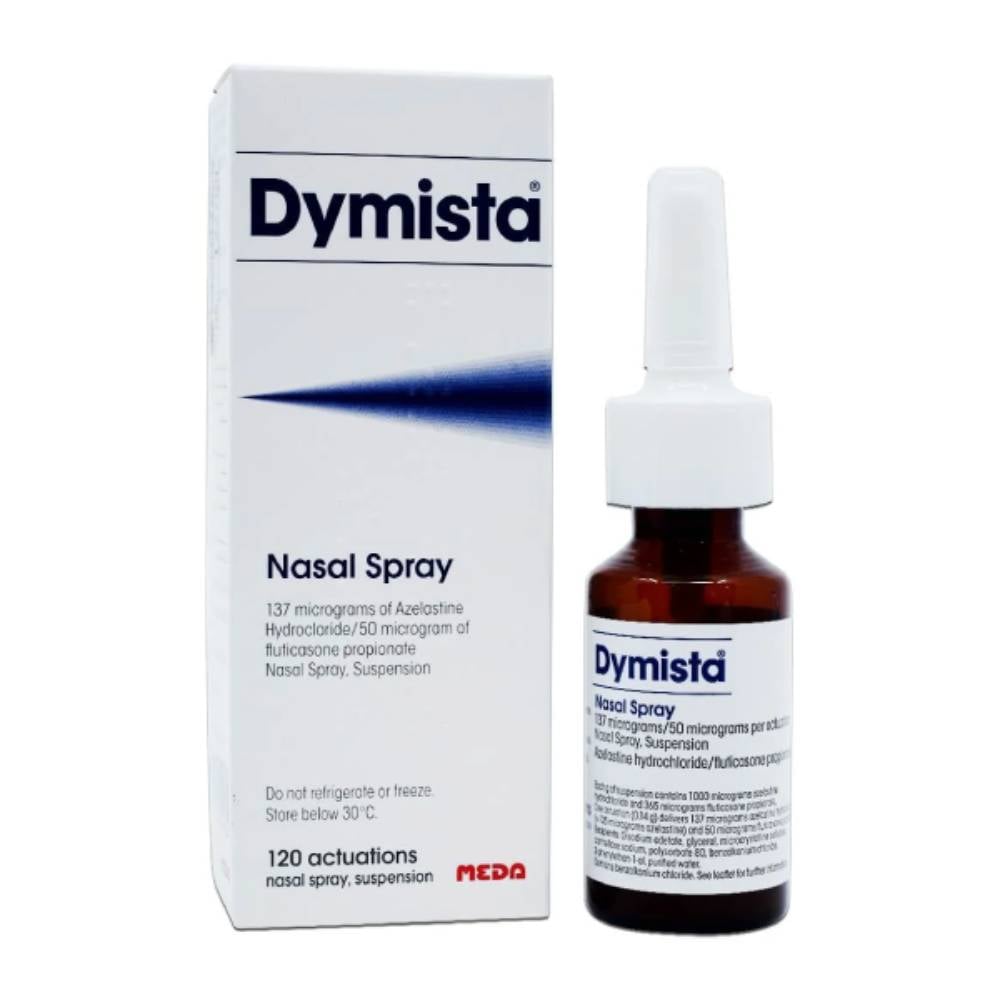
Dymista Nasal Spray
Dymista Nasal Spray
Couldn't load pickup availability
What Is Dymista Nasal Spray and How Does It Help?
If you've tried antihistamine tablets or a steroid nasal spray on their own and still can't shake your allergy symptoms, Dymista nasal spray could be the step up you need. It's a licensed combination nasal spray containing two active ingredients — azelastine hydrochloride 137 mcg and fluticasone propionate 50 mcg per actuation — working together to tackle the multiple pathways that drive allergic rhinitis. Whether your symptoms flare up seasonally with hay fever or persist year-round, this spray is designed to address congestion, sneezing, a runny nose, and nasal itching in one go. You can explore our full range of allergy and hay fever treatments if you'd like to compare your options before deciding.
Allergic rhinitis affects millions of people across the UK every year. The NHS recognises it as one of the most common chronic conditions, with symptoms that can significantly affect sleep, concentration, and daily quality of life. Dymista is licensed for moderate-to-severe allergic rhinitis in adults and adolescents aged 12 and over when a single-ingredient nasal spray hasn't provided adequate relief.
How Does Dymista Nasal Spray Work in the Body?
Dymista works by targeting two distinct mechanisms that cause allergic rhinitis symptoms. Rather than relying on one approach, it combines an antihistamine and a corticosteroid in a single spray, which means you're addressing both the immediate allergic response and the underlying nasal inflammation at the same time.
- Azelastine hydrochloride is an antihistamine that blocks H1 receptors in the nasal mucosa, preventing histamine from triggering sneezing, itching, and a runny nose.
- Fluticasone propionate is a corticosteroid that reduces inflammation in the nasal lining by suppressing the release of inflammatory mediators such as cytokines and leukotrienes.
- Together, these two ingredients act on both early-phase and late-phase allergic reactions, providing broader symptom control than either ingredient alone.
- Because the spray is applied directly into the nostrils, the active ingredients work locally with minimal systemic absorption, reducing the risk of whole-body side effects.
Who Should Use Dymista Nasal Spray?
Dymista is specifically indicated for moderate-to-severe allergic rhinitis — both seasonal (such as hay fever triggered by pollen) and perennial (year-round symptoms triggered by dust mites, pet dander, or mould). It's particularly suited to people who haven't found adequate relief from a corticosteroid nasal spray or an oral antihistamine used alone.
You may be a good candidate for Dymista if you:
- Are aged 12 or over and experience moderate-to-severe nasal allergy symptoms
- Have tried a single-ingredient nasal spray without sufficient improvement
- Suffer from both nasal congestion and sneezing or itching simultaneously
- Need symptom control during peak pollen season or throughout the year
How Does Dymista Compare to Other Allergy Nasal Sprays?
| Feature | Dymista Nasal Spray | Fluticasone-only Spray (e.g. Flixonase) |
|---|---|---|
| Active ingredients | Azelastine + Fluticasone | Fluticasone only |
| Targets histamine response | Yes | No |
| Reduces nasal inflammation | Yes | Yes |
| Suitable age | 12 years and over | 4 years and over (varies by product) |
Is Dymista Nasal Spray Suitable for Long-Term Use?
Dymista is intended for use during periods when your allergic rhinitis symptoms are active. For seasonal sufferers, that typically means using it throughout the pollen season. For perennial rhinitis, your GP or pharmacist can advise on whether longer-term use is appropriate for your individual circumstances. Because fluticasone propionate is a locally acting corticosteroid with low systemic bioavailability when used intranasally, the risk of systemic steroid effects is considered low at recommended doses — but it's still worth reviewing use periodically with a healthcare professional. If you also experience eye symptoms alongside nasal allergy, our eye care range includes options that may complement your treatment.
This product is a medicine. Speak to your doctor or pharmacist before using if you have an underlying medical condition or are taking other medicines.
Dymista Nasal Spray specifications
| Treatment category | Allergic rhinitis |
| Mechanism of action | Antihistamine (azelastine) + corticosteroid (fluticasone) combination |
| Effective for | Seasonal and perennial allergic rhinitis |
| Suitable for | Adults and adolescents aged 12 and over |
| Active ingredient | Azelastine hydrochloride 137 mcg, Fluticasone propionate 50 mcg per actuation |
| Pack sizes | 23 ml (120 actuations) |
| UK classification | POM (Prescription Only Medicine) |
| Drug class | Antihistamine / Intranasal corticosteroid combination |
| Preparation | Nasal spray suspension |
| Route of administration | Intranasal |
Specifications of Dymista Nasal Spray
What Is Dymista Nasal Spray and What Is It Used For?
Dymista nasal spray is a licensed prescription-strength combination nasal spray used to treat moderate-to-severe allergic rhinitis in adults and adolescents aged 12 and over. It contains two active ingredients: azelastine hydrochloride, an antihistamine, and fluticasone propionate, a corticosteroid. Together they relieve the full range of nasal allergy symptoms — including congestion, sneezing, a runny nose, and nasal itching — that occur in response to allergens such as pollen, dust mites, animal dander, and mould spores. The NHS describes allergic rhinitis as one of the most common conditions in the UK, affecting up to one in five people at some point in their lives.
What Do You Need to Know Before Using Dymista Nasal Spray?
Before using Dymista, it's important to check whether it's appropriate for you. Do not use this spray if any of the following apply:
- You are allergic to azelastine hydrochloride, fluticasone propionate, or any other ingredient in the formulation
- You are under 12 years of age
- You are pregnant or breastfeeding, unless specifically advised by your doctor
- You have a current nasal infection that has not been treated
- You have recently had nasal surgery or a nasal injury (until fully healed)
You should also tell your doctor or pharmacist if you are taking any of the following, as they may interact with Dymista:
- Alcohol or central nervous system (CNS) depressants — azelastine may enhance sedative effects
- Ritonavir or other strong CYP3A4 inhibitors — these can increase fluticasone exposure and raise the risk of systemic corticosteroid effects
- Ketoconazole or other antifungal medicines taken by mouth
- Other corticosteroid medicines (inhaled, oral, or topical) — combined use increases systemic steroid exposure
How Should You Use Dymista Nasal Spray Correctly?
Always use Dymista exactly as directed by your prescriber or pharmacist. The following steps will help you get the most from each dose:
- Blow your nose gently to clear the nostrils before use.
- Shake the bottle gently before each use.
- If using for the first time, or after a break of more than a few days, prime the pump by pressing it several times until a fine mist appears.
- Tilt your head slightly forward — do not tilt it back.
- Insert the nozzle into one nostril, pointing it slightly away from the nasal septum.
- Press the pump once while breathing in gently through your nose.
- Breathe out through your mouth.
- Repeat in the other nostril.
- Wipe the nozzle clean and replace the cap after use.
| Indication | Age Group | Dose | Frequency |
|---|---|---|---|
| Seasonal allergic rhinitis | 12 years and over | 1 spray per nostril | Twice daily |
| Perennial allergic rhinitis | 12 years and over | 1 spray per nostril | Twice daily |
| Children under 12 | Under 12 | Not recommended | |
What Are the Possible Side Effects of Dymista Nasal Spray?
Like all medicines, Dymista can cause side effects, although not everyone experiences them. If you're also managing other allergy-related symptoms such as itchy or watery eyes, our ear, nose and throat range includes additional products that may help alongside your nasal spray.
Common side effects (may affect up to 1 in 10 people):
- Unpleasant or bitter taste after use
- Unpleasant smell
- Nosebleed (epistaxis)
- Nasal discomfort or irritation
Less common side effects (may affect up to 1 in 100 people):
- Headache
- Drowsiness or sedation
- Nasal dryness or crusting
- Sneezing immediately after application
- Throat irritation
Rarely, prolonged use of intranasal corticosteroids can affect the nasal septum. If you notice any changes to your vision, or experience symptoms that suggest a systemic corticosteroid effect (such as unusual weight gain or persistent fatigue), contact your GP promptly.
How Should You Store Dymista Nasal Spray?
Correct storage helps maintain the effectiveness of the spray throughout its shelf life. If you're managing multiple health products at home, it's worth keeping all medicines stored safely and separately. You can also browse our allergy and hay fever collection for complementary treatments to use alongside Dymista.
- Store below 25°C
- Keep the bottle upright at all times
- Do not freeze
- Keep out of the reach and sight of children
- Do not use after the expiry date printed on the label
- Do not dispose of medicines via wastewater or household waste — return unused medicines to your pharmacy
References
Written and reviewed by our qualified team
Your safety and success are our highest priorities. Our medical team rigorously evaluates every product and piece of advice we provide, ensuring you receive only the most effective, science-backed solutions available.
Frequently Asked Questions
Where can I buy Dymista nasal spray online in the UK?
You can buy Dymista nasal spray through Cured Pharmacy, a GPhC-registered online pharmacy in the UK. You'll need to complete a short online consultation to confirm the spray is suitable for you before your order is dispensed. As a prescription-only medicine, it cannot be purchased over the counter without a valid prescription or an approved online consultation.
How does Dymista nasal spray work in the body?
Dymista contains two active ingredients that work together: azelastine hydrochloride blocks histamine receptors in the nasal lining to reduce sneezing, itching, and a runny nose, while fluticasone propionate reduces inflammation by suppressing the release of inflammatory chemicals. This dual action means it targets both the immediate allergic response and the longer-lasting inflammatory phase. Because both ingredients act locally in the nose, systemic absorption is minimal at recommended doses.
How do I use Dymista nasal spray step by step?
Start by blowing your nose gently, then shake the bottle and prime it if it's new or hasn't been used for several days. Tilt your head slightly forward, insert the nozzle into one nostril pointing slightly away from the septum, and press the pump once while breathing in gently through your nose. Repeat in the other nostril, then wipe the nozzle and replace the cap.
What is the correct dose of Dymista nasal spray for adults?
The recommended dose for adults and adolescents aged 12 and over is one spray into each nostril twice daily — once in the morning and once in the evening. Each actuation delivers azelastine hydrochloride 137 mcg and fluticasone propionate 50 mcg. Do not use more than the recommended dose unless your doctor has specifically advised otherwise.
When is the best time to use Dymista nasal spray?
Dymista is typically used twice daily — once in the morning and once in the evening — ideally at the same times each day to maintain consistent symptom control. If you're using it for hay fever, starting treatment a few days before your expected pollen exposure can help reduce the severity of symptoms. Try to use it at regular intervals roughly 12 hours apart.
What are the side effects of Dymista nasal spray?
The most common side effects include an unpleasant or bitter taste after use, nosebleeds, and nasal discomfort or irritation. Less commonly, some people experience headache, drowsiness, nasal dryness, or sneezing immediately after application. If you notice any unusual symptoms or your side effects feel severe, speak to your pharmacist or GP promptly.
How do I manage side effects of Dymista nasal spray?
An unpleasant taste is one of the most frequently reported effects — drinking a small amount of water after use can help. If you experience nosebleeds, try not to blow your nose forcefully immediately after application, and ensure you're directing the nozzle away from the nasal septum. Persistent or worsening side effects should always be discussed with a healthcare professional.
Who is eligible to use Dymista nasal spray?
Dymista is suitable for adults and adolescents aged 12 and over who have moderate-to-severe seasonal or perennial allergic rhinitis that hasn't responded adequately to a single-ingredient nasal spray or oral antihistamine. It is not suitable for children under 12, and caution is needed in people with certain medical conditions or those taking interacting medicines. Our allergy and hay fever collection includes alternatives for those who may not be suitable for Dymista.
Can I use Dymista nasal spray during pregnancy?
Dymista is not generally recommended during pregnancy unless your doctor has specifically assessed the risks and benefits for your individual situation. Both azelastine and fluticasone have limited safety data in pregnancy, so it's essential to speak to your GP or midwife before using this spray if you are pregnant or planning to become pregnant. Do not use it while breastfeeding without medical advice.
What happens if I miss a dose of Dymista nasal spray?
If you forget a dose, use it as soon as you remember — unless it's nearly time for your next scheduled dose, in which case simply skip the missed one. Never use two doses at the same time to make up for a missed one. Consistent daily use gives the best results, particularly for perennial rhinitis where ongoing inflammation control is important.
Can I use Dymista nasal spray with antihistamine tablets?
Using Dymista alongside oral antihistamines is generally not recommended without medical advice, as azelastine in Dymista is itself an antihistamine and combining it with another antihistamine may increase the risk of side effects such as drowsiness. Always tell your pharmacist or doctor about all medicines you are currently taking, including over-the-counter products. They can advise whether a combination approach is appropriate for your symptoms.
What are alternatives to Dymista nasal spray?
Alternatives include single-ingredient corticosteroid nasal sprays such as fluticasone propionate (Flixonase) or beclometasone (Beconase), or antihistamine nasal sprays such as azelastine alone (Rhinolast). Oral antihistamines like cetirizine or loratadine are also widely used for milder symptoms. However, Dymista is currently the only licensed combination intranasal antihistamine and corticosteroid spray available in the UK, making it a distinct option for moderate-to-severe cases.
How long can you use Dymista nasal spray for?
For seasonal allergic rhinitis, Dymista is typically used throughout the relevant pollen season. For perennial rhinitis, longer-term use may be appropriate under the guidance of a GP or specialist. It's good practice to review your treatment periodically with a healthcare professional to ensure it remains the right option for you, particularly if you're using it for several months continuously.
Does Dymista nasal spray cause drowsiness?
Drowsiness is listed as a less common side effect of Dymista, primarily due to the azelastine component. Most people do not experience significant sedation at the recommended intranasal dose, but you should be cautious about driving or operating machinery until you know how the spray affects you. Alcohol and other CNS depressants may enhance any sedative effect, so avoid combining them where possible.
What are the latest studies on Dymista nasal spray?
Clinical studies have demonstrated that the combination of azelastine and fluticasone in a single nasal spray provides greater symptom relief than either ingredient used alone in patients with moderate-to-severe allergic rhinitis. Research published in peer-reviewed journals has shown faster onset of action and improved quality-of-life scores compared to monotherapy. If you'd like to explore additional support for allergy-related symptoms, our ear, nose and throat range may offer complementary options.
Share