Cured Pharmacy
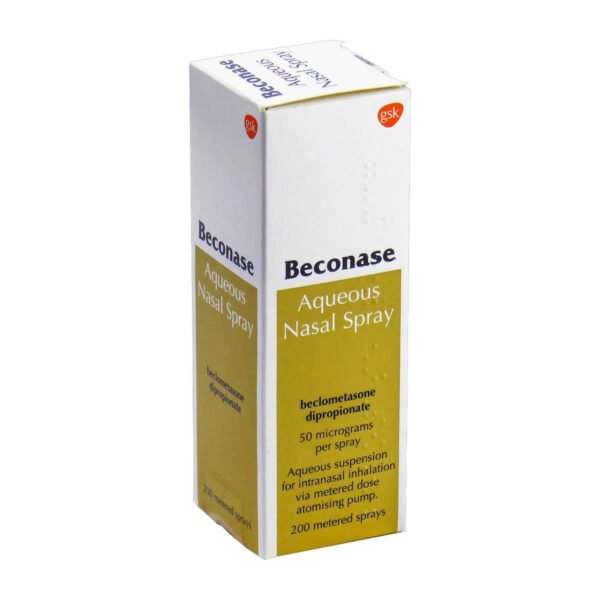
Beconase Aqueous Nasal Spray
Beconase Aqueous Nasal Spray
Couldn't load pickup availability
What Is Beconase Aqueous Nasal Spray?
If hay fever or year-round nasal allergies are making your life miserable, you are not alone. Allergic rhinitis affects around one in five people in the UK, and finding a treatment that actually works consistently can feel like a challenge. Beclometasone nasal spray — sold under the well-known brand name Beconase — is one of the most widely used and clinically established options available without a prescription. Each actuation delivers 50 micrograms of beclometasone dipropionate directly into the nasal passages, targeting inflammation at its source rather than simply masking symptoms. You can browse our full range of allergy and hay fever treatments if you want to compare options before deciding.
Beconase Aqueous Nasal Spray is licensed in the UK as an over-the-counter (OTC) medicine for adults and adolescents aged 18 and over. It is suitable for both seasonal allergic rhinitis — the kind triggered by pollen in spring and summer — and perennial allergic rhinitis, which can occur throughout the year due to triggers like house dust mites, mould spores, or pet dander.
How Does Beconase Aqueous Nasal Spray Work?
Beconase belongs to a class of medicines called corticosteroids. When you are exposed to an allergen, your immune system releases inflammatory chemicals — including histamine and leukotrienes — that cause the lining of your nose to swell, produce excess mucus, and become hypersensitive. Beclometasone dipropionate works by binding to glucocorticoid receptors inside nasal cells, reducing the production of these inflammatory mediators. The result? Less swelling, less congestion, fewer sneezes, and a calmer nasal lining overall.
Here is how the mechanism unfolds step by step:
- Allergen exposure triggers an immune response in the nasal mucosa
- Beclometasone dipropionate is absorbed into nasal tissue cells after spraying
- It binds to intracellular glucocorticoid receptors, altering gene expression
- Inflammatory cytokines and mediators are suppressed
- Nasal swelling, mucus production, and hypersensitivity gradually reduce
- Symptoms improve with consistent daily use, typically within 3–7 days
It is worth noting that Beconase does not work instantly. Unlike antihistamine tablets or decongestant sprays, it needs to build up its anti-inflammatory effect over several days of regular use. Starting treatment a few days before your expected allergen exposure — for example, just before pollen season — can make a real difference.
Who Should Use Beconase Aqueous Nasal Spray?
Beconase is suitable for a broad range of people dealing with nasal allergy symptoms. It is particularly useful if antihistamine tablets alone are not controlling your congestion, or if you prefer a treatment that works directly in the nose rather than systemically. That said, it is not appropriate for everyone, so it is worth checking the criteria below.
Beconase Aqueous Nasal Spray may be suitable if you:
- Are aged 18 or over and experiencing seasonal or year-round nasal allergy symptoms
- Have been diagnosed with allergic rhinitis by a GP or allergy specialist
- Experience nasal congestion, sneezing, a runny nose, or nasal itching due to allergens
- Want a non-drowsy treatment option that does not cause the sedation associated with some antihistamines
How Does Beconase Compare to Other Nasal Sprays?
| Feature | Beconase Aqueous Nasal Spray | Fluticasone (e.g. Pirinase) |
|---|---|---|
| Active ingredient | Beclometasone dipropionate 50mcg | Fluticasone propionate 50mcg |
| Drug class | Intranasal corticosteroid | Intranasal corticosteroid |
| OTC availability (UK) | Yes, 18+ | Yes, 18+ |
| Dosing frequency | Twice daily (or as directed) | Once daily |
Is Beconase Suitable for Long-Term Use and How Should It Be Stored?
For many people with perennial allergic rhinitis, using a beclometasone nasal spray on an ongoing basis is both safe and appropriate under pharmacist or GP guidance. However, OTC use should generally not exceed three months without a review. If your symptoms persist beyond this period, it is sensible to speak to your GP to rule out other causes such as nasal polyps or a structural issue. You can also explore our ear, nose and throat range for complementary products.
Store Beconase Aqueous Nasal Spray below 30°C. Do not freeze it, and keep the bottle upright when not in use. Once opened, use within the period stated on the packaging — typically within 3 months. Keep it out of reach of children.
This product is a medicine. Speak to your doctor or pharmacist before using if you have an underlying medical condition or are taking other medicines.
Beconase Aqueous Nasal Spray specifications
| Treatment category | Allergic rhinitis / hay fever |
| Active ingredient | Beclometasone dipropionate 50mcg per actuation |
| Mechanism of action | Intranasal corticosteroid — reduces nasal inflammation |
| Effective for | Seasonal and perennial allergic rhinitis |
| Suitable for | Adults and adolescents aged 18 and over |
| Strengths | 50mcg per actuation |
| UK classification | Pharmacy (P) medicine |
| Drug class | Corticosteroid (intranasal) |
| Preparation | Aqueous nasal spray suspension |
| Route of administration | Intranasal |
Specifications of Beconase Aqueous Nasal Spray
What Is Beconase Aqueous Nasal Spray and What Is It Used For?
Beconase Aqueous Nasal Spray contains beclometasone dipropionate 50mcg per actuation. It is an intranasal corticosteroid used to treat and prevent the symptoms of allergic rhinitis — both the seasonal kind (commonly called hay fever) and perennial allergic rhinitis, which occurs throughout the year. Symptoms it helps to relieve include a blocked or runny nose, sneezing, nasal itching, and post-nasal drip. It is available as a Pharmacy (P) medicine in the UK, meaning you can buy it without a prescription from a registered pharmacy.
What Do You Need to Know Before Using Beconase Aqueous Nasal Spray?
Before using Beconase, it is important to check whether it is appropriate for you. Do not use this spray if any of the following apply:
- You are allergic to beclometasone dipropionate or any other ingredient in the spray
- You have an untreated nasal or sinus infection (bacterial, fungal, or viral)
- You have recently had nasal surgery or a nasal injury — wait until fully healed
- You are under 18 years of age (OTC use is not licensed for under-18s)
- You have tuberculosis (TB) affecting the respiratory tract
Speak to your pharmacist or GP before using Beconase if you are pregnant, breastfeeding, or planning to become pregnant. Also seek advice if you are already using other corticosteroid medicines — including inhalers, skin creams, or eye drops — as combined use may increase the total steroid load on your body.
Known drug interactions to be aware of:
- Ritonavir and other strong CYP3A4 inhibitors (used in HIV treatment) may increase beclometasone levels in the blood
- Other systemic or topical corticosteroids used concurrently may increase the risk of adrenal suppression
- No significant interactions are expected with standard antihistamines or decongestants at OTC doses
How Should You Use Beconase Aqueous Nasal Spray?
Using Beconase correctly makes a real difference to how well it works. Follow these steps each time you use it:
- Blow your nose gently to clear the nasal passages
- Shake the bottle well before each use
- If using for the first time, prime the pump by pressing it several times until a fine mist appears
- Tilt your head slightly forward — do not tilt it back
- Insert the nozzle gently into one nostril, pointing it slightly away from the nasal septum
- Press the pump once while breathing in slowly and gently through your nose
- Breathe out through your mouth
- Repeat for the other nostril
- Wipe the nozzle clean after use and replace the cap
| Indication | Age Group | Dose | Frequency |
|---|---|---|---|
| Allergic rhinitis (treatment) | Adults 18+ | 2 sprays per nostril | Twice daily |
| Allergic rhinitis (maintenance) | Adults 18+ | 1 spray per nostril | Twice daily (once controlled) |
| Under 18 | Not applicable OTC | Prescription only | As directed by GP |
Do not exceed 2 sprays per nostril twice daily. If symptoms do not improve after 3 months of regular use, consult your GP.
What Are the Possible Side Effects of Beconase Aqueous Nasal Spray?
Like all medicines, Beconase can cause side effects, although not everyone experiences them. Most side effects are mild and localised to the nose and throat. If you are also managing eye symptoms alongside nasal allergy, our eye care range includes antihistamine eye drops that can be used alongside Beconase.
Common side effects (may affect up to 1 in 10 people):
- Nasal dryness or irritation
- Unpleasant taste or smell
- Sneezing immediately after use
- Mild nosebleeds (epistaxis)
- Throat irritation
Less common side effects (may affect up to 1 in 100 people):
- Headache
- Nasal ulceration or crusting
- Raised intraocular pressure (with prolonged use — relevant if you have glaucoma)
- Cataracts (rare, associated with long-term high-dose corticosteroid use)
- Adrenal suppression (rare, with prolonged use of multiple corticosteroid products)
Stop using Beconase and seek urgent medical advice if you develop a perforated nasal septum, severe eye pain, or any signs of an allergic reaction such as facial swelling, difficulty breathing, or a widespread rash.
How Should You Store Beconase Aqueous Nasal Spray?
- Store below 30°C — do not refrigerate or freeze
- Keep the bottle upright when not in use
- Keep out of direct sunlight
- Keep out of the reach and sight of children
- Do not use after the expiry date printed on the label
- Once opened, use within 3 months or as stated on the packaging
- Do not dispose of medicines via wastewater or household waste — return unused medicines to your pharmacy
If you need additional support managing seasonal allergies, you might also find it helpful to explore our wider cold and flu range for products that address overlapping nasal symptoms during winter months.
References
- https://www.nhs.uk/medicines/beclometasone-nasal-spray/
- https://www.nhs.uk/conditions/allergic-rhinitis/
- https://www.nhs.uk/conditions/hay-fever/
- https://www.nhs.uk/medicines/beclometasone-nasal-spray/side-effects-of-beclometasone-nasal-spray/
- https://bnf.nice.org.uk/drugs/beclometasone-dipropionate/
Written and reviewed by our qualified team
Your safety and success are our highest priorities. Our medical team rigorously evaluates every product and piece of advice we provide, ensuring you receive only the most effective, science-backed solutions available.
Frequently Asked Questions
Where can I buy Beconase Aqueous Nasal Spray online in the UK?
You can buy Beconase Aqueous Nasal Spray directly from Cured Pharmacy, a GPhC-registered UK online pharmacy. It is available without a prescription for adults aged 18 and over. Simply add it to your basket and it will be dispatched promptly to your door — no GP appointment needed.
How does Beconase Aqueous Nasal Spray work in the body?
Beconase contains beclometasone dipropionate, a corticosteroid that reduces inflammation in the lining of the nose. It works by binding to glucocorticoid receptors inside nasal cells, suppressing the release of inflammatory chemicals triggered by allergens such as pollen or dust mites. This reduces swelling, congestion, sneezing, and a runny nose with regular daily use.
How do I use Beconase Aqueous Nasal Spray step by step?
Blow your nose gently first, then shake the bottle and prime it if it is new. Tilt your head slightly forward, insert the nozzle into one nostril pointing slightly away from the septum, and press the pump once while breathing in gently through your nose. Repeat for the other nostril, then wipe the nozzle and replace the cap after use.
How long does Beconase take to start working?
Beconase is not an instant-relief spray — it typically takes 3 to 7 days of consistent daily use before you notice a meaningful improvement in symptoms. For seasonal allergies, starting treatment a few days before pollen season begins can help you get ahead of symptoms. Do not stop using it just because you do not feel an immediate effect.
What is the correct dose of Beconase for adults?
The standard adult dose is two sprays into each nostril twice daily. Once your symptoms are well controlled, your pharmacist may advise reducing to one spray per nostril twice daily as a maintenance dose. Do not exceed two sprays per nostril twice daily without medical advice.
Can I use Beconase every day during hay fever season?
Yes, Beconase is designed for daily use and works best when used consistently throughout the allergy season rather than only on bad days. OTC use should not exceed three months without a pharmacist or GP review. If your symptoms persist beyond this, speak to your GP to explore further options available through our allergy and hay fever range.
What are the side effects of Beconase Aqueous Nasal Spray?
Common side effects include nasal dryness, irritation, sneezing after use, and a mild unpleasant taste or smell. Nosebleeds can also occur, particularly if the spray is directed at the nasal septum. Serious side effects are rare but include nasal ulceration and, with prolonged high-dose use, adrenal suppression — always use the lowest effective dose.
Is Beconase safe to use during pregnancy or breastfeeding?
You should speak to your GP or pharmacist before using Beconase if you are pregnant or breastfeeding. Intranasal corticosteroids have low systemic absorption, but medical guidance is still recommended during pregnancy. Your doctor can advise on the safest option for managing allergic rhinitis at this time.
Who is not suitable for Beconase Aqueous Nasal Spray?
Beconase is not suitable for children under 18 as an OTC medicine, or for anyone with an active nasal or sinus infection, a recent nasal injury or surgery, or a known allergy to beclometasone dipropionate. People taking ritonavir or other strong CYP3A4 inhibitors should seek medical advice before use, as these can increase beclometasone levels in the blood.
What happens if I miss a dose of Beconase?
If you forget a dose, simply use it as soon as you remember — unless it is nearly time for your next scheduled dose, in which case skip the missed one. Do not use a double dose to make up for a missed one. Missing the occasional dose is unlikely to cause a significant setback, but consistent daily use gives the best results.
Can I use Beconase alongside antihistamine tablets?
Yes, Beconase can generally be used alongside oral antihistamines such as cetirizine or loratadine. In fact, combining a nasal corticosteroid with an antihistamine is a common approach recommended for moderate-to-severe allergic rhinitis. There are no known clinically significant interactions between beclometasone nasal spray and standard OTC antihistamines.
How does Beconase compare to Pirinase or Avamys nasal spray?
All three are intranasal corticosteroids used for allergic rhinitis, but they contain different active ingredients. Beconase uses beclometasone dipropionate 50mcg, Pirinase uses fluticasone propionate 50mcg, and Avamys uses fluticasone furoate 27.5mcg. Fluticasone-based sprays are often dosed once daily, whereas Beconase is typically used twice daily. Your pharmacist can help you decide which suits your lifestyle best.
How long can you use Beconase for without seeing a doctor?
OTC use of Beconase should not exceed three months without a review from a pharmacist or GP. If your symptoms are well controlled and you have no side effects, your pharmacist may advise continuing. For longer-term management of perennial allergic rhinitis, a GP review is recommended to ensure the treatment remains appropriate and to rule out other causes.
Can Beconase help with a blocked nose caused by a cold?
No — Beconase is specifically licensed for allergic rhinitis and is not intended to treat nasal congestion caused by a viral cold or infection. Using a corticosteroid nasal spray during an active nasal infection is not recommended. For cold-related nasal symptoms, explore our cold and flu range for more appropriate options.
What are the latest findings on intranasal corticosteroids for hay fever?
Intranasal corticosteroids like beclometasone dipropionate remain the first-line recommended treatment for moderate-to-severe allergic rhinitis according to current NHS and NICE guidance. They are considered more effective than antihistamines alone for nasal congestion. Ongoing research continues to support their safety profile for regular use at recommended doses in adults.
Share